A project to redevelop a derelict hydro-electric power station in Chester has taken a step forward thanks to £40,000 of grant funding.
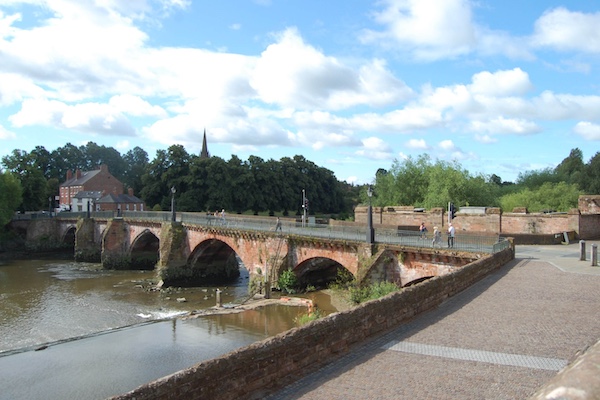
The money from the Community Energy Fund (CEF) will go towards supporting the scheme located near Chester Weir on the River Dee.
It will fund a feasibility study of the options available for power generation whilst complying with environmental standards.
The project is being developed by two local volunteer organisations – Cheshire Heritage and Sustainability Enterprises (CHASE) and Cheshire Historic Buildings Preservation Trust (CHBPT).
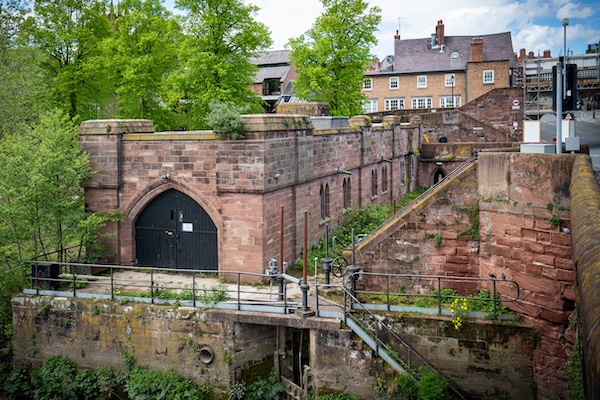
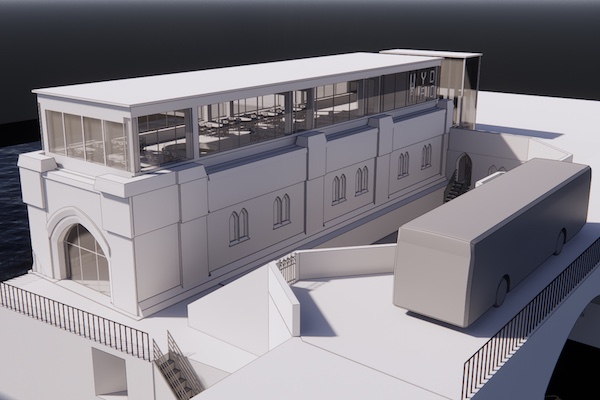
The main aim is to use an existing building as a careers and education centre, with previous grants from Cheshire West and Chester Council and the Architectural Heritage Fund having been used to enable designs to be drawn up as well as business plans.
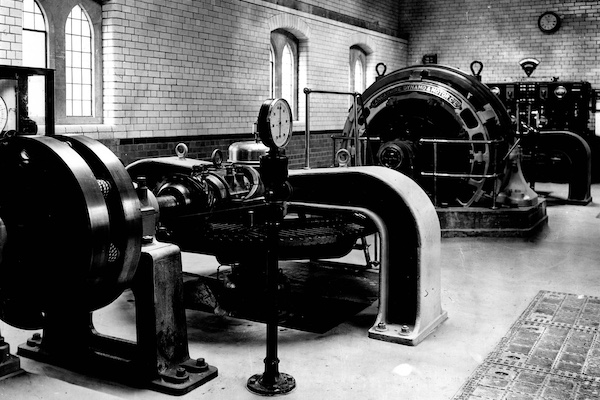
The structure was one of the first hydro-electric power stations in the UK when it was originally built in 1914.
It sits on Chester Weir, which is a scheduled ancient monument constructed by the Normans in 1093 to provide power to mills built at both ends of the weir.
History of the Dee Bridge Hydro Building
Chester Weir was built by Hugh Lupus, 1st Earl of Chester, in 1093 for use by Chester Cathedral. It was designed to provide a head of water to power the medieval mills on the river.
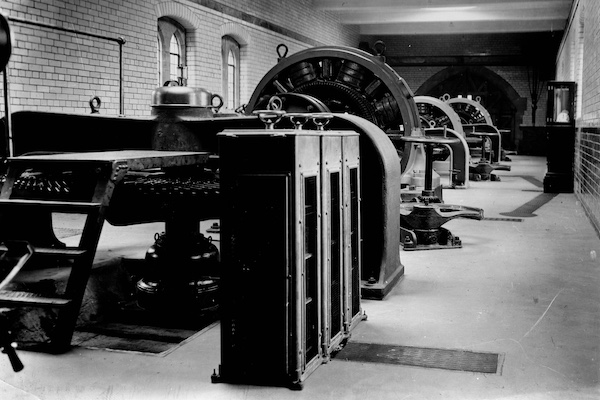
The mills and factories were demolished during the 20th century and the weir was restored to serve Chester City Council’s hydro-electric power station, which was built in 1913 and operated from 1914 on the site of some of the former mills.
The hydro-electric plant generated half of Chester’s electricity needs and continued to operate until 1949 when government policy turned to coal-fired electricity generation.
In 1952 the building was repurposed as a water pumping station and it continued in that role until 2015, helping to pump drinking water from the River Dee to half a million people.
“It is very appropriate for the hydro building to be used to inform everyone about the history of net zero industry where it all started and talk about the future net zero cluster that will be built nearby centred in Ellesmere Port,” said Dr Niall Macfadyen, chair of CHASE.
“The site and the river are highly protected – the river is a designated site of special scientific interest – and there are many environmental regulations that must be complied with for the building to be redeveloped.
“However initial proposals put to the Environment Agency and the council planning department have received a positive response.”
Dr Macfadyen added that the University of Chester had expressed interest in using electricity and heat generated by the hydro building for its Wheeler Building.
“We can quadruple the energy we produce by using electric heat pumps to raise the temperature to a suitable level for heating buildings and there is more water in the river in the winter, when heat is needed,” he said.
Tony Barton, conservation architect and chair of CHBPT said the listed building was “hidden in plain sight” and that he hoped to find a creative and sympathetic way to open it up for people to visit.
“This Grade II listed building is one of the most protected in Chester, due of its location and history,” he said.
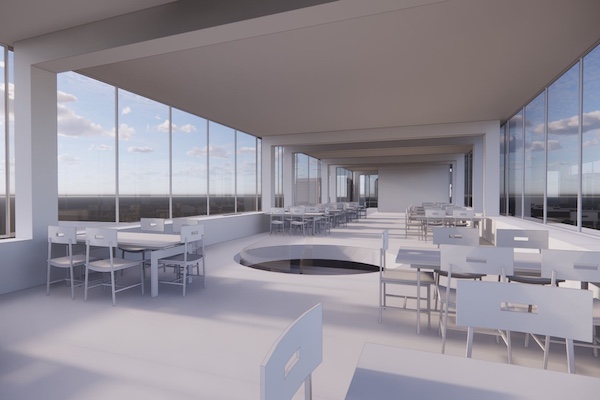
“Designs envisage the building being used for hospitality as well as education and power generation.
He said there would be community consultation once the feasibility study progresses.
Those behind the project are now appealing for volunteers to come forward to help with administration of the project and bookkeeping as well as other duties.
Anyone who is interested is asked to contact CHASE by emailing: hydrohubchester@gmail.com